Dispatch on same day if ordered before 1 pm

Harnessing the Sun: Benefits of Installing Solar Plants in Summer
Solar power is generated by converting sunlight into electricity using technologies such as photovoltaic (PV) cells, which form the backbone of solar panels
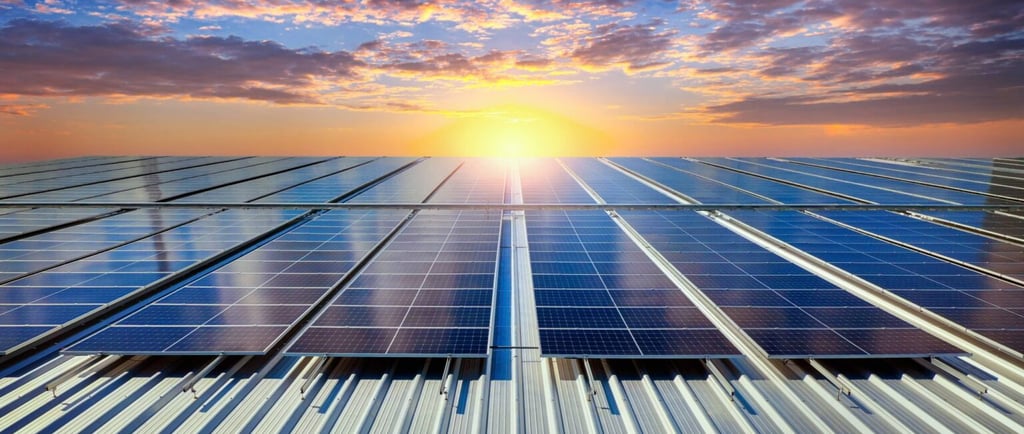
Understanding Solar Power and Its Importance
Solar power is generated by converting sunlight into electricity using technologies such as photovoltaic (PV) cells, which form the backbone of solar panels. These cells contain semiconductor materials, typically silicon, that energize electrons when exposed to sunlight. This process creates an electric current, which can then be harnessed for various applications. As the global energy landscape evolves, the significance of solar power has gained considerable traction. This shift toward renewable energy sources is driven by the urgent need to combat climate change and lessen our dependence on fossil fuels.
The rising global temperatures and erratic weather patterns attributable to climate change make the adoption of clean energy sources, such as solar power, imperative. By utilizing solar energy, individuals and businesses can substantially reduce their carbon footprint. Unlike fossil fuels, solar power emits no greenhouse gases during operation. This characteristic makes it a vital component of a sustainable energy future. Moreover, as technology advances, the cost of solar installations has become increasingly competitive with traditional energy sources, making it more accessible to a wider audience.
Summer presents an optimal opportunity for solar energy installations due to the extended daylight hours and intensified sunlight. With longer days, solar panels can capture and convert more solar energy into electricity, thus maximizing efficiency and output. Furthermore, many regions experience higher electricity demand during the summer months due to increased usage of air conditioning and cooling systems. By installing solar panels during this season, consumers can benefit from the abundant sunlight while offsetting higher utility expenses throughout the year.
Adopting solar power not only contributes to environmental sustainability but also offers significant economic advantages. By investing in solar technology during the summer, individuals can reap the benefits of lower energy bills and contribute to a greener future.
Financial Benefits of Installing Solar Plants in Summer
Installing solar plants during the summer months presents significant financial advantages for homeowners looking to reduce their electricity costs. One of the most appealing aspects of solar energy is its ability to harness the abundant sunlight available during this season. This increased sunlight not only boosts energy production but also helps to maximize the return on investment for solar panel installations.
Homeowners can take advantage of various local incentives, rebates, and tax credits available for solar energy systems. Many states and municipalities offer financial support to encourage the adoption of solar technology, which can substantially reduce the upfront costs of installation. By completing the installation during the summer, homeowners can effectively capitalize on these financial incentives while simultaneously benefiting from increased energy generation. The enhanced solar output translates to lower monthly electricity bills, resulting in more immediate savings.
The summer months typically feature longer daylight hours and more direct sunlight, which combined can lead to optimal performance for solar panel systems. Studies indicate that solar panels can produce up to 20%-30% more energy in summer compared to other seasons. This increased efficiency means that homeowners can significantly lower their reliance on traditional energy sources, resulting in substantial long-term savings on electricity expenses. Moreover, with rising energy costs, the savings provided by solar panels can further offset the initial investment, yielding a quicker payback period.
When comparing the costs associated with solar installation against traditional energy expenses, it becomes clear that adopting solar energy is a financially sound decision. The cost of electricity continues to rise, making it imperative for homeowners to explore sustainable energy solutions. By installing solar plants in summer, homeowners not only benefit financially but also contribute to a more energy-efficient future.
Maximizing Energy Efficiency and Savings
Installing solar plants during the summer is a strategic approach to maximizing energy efficiency and achieving substantial savings on electricity costs. With longer sunlight hours and increased solar intensity, summer presents the perfect conditions for tapping into solar energy effectively. One of the paramount strategies to consider is the integration of energy storage systems. These systems capture excess energy produced during peak solar hours, allowing households to utilize this energy during non-sunny periods, particularly in the evening when electricity usage often spikes. By storing surplus energy, users can decrease their dependency on grid power, leading to significant cost reductions on monthly electricity bills.
Another advantageous feature to explore is net metering. This practice allows solar energy system owners to feed surplus energy back into the grid in exchange for credits. When solar plants generate more electricity than is consumed, homeowners can earn credits that offset future energy usage. This contributes to reducing overall energy costs, particularly in months where solar production is high. The combination of energy storage systems and net metering creates a resilient system that enhances the economic viability of solar plants while promoting energy independence.
To maximize the efficiency of solar energy usage, experts recommend implementing smart energy management techniques. These can include scheduling major appliances to run during peak solar production hours, using programmable thermostats, and optimizing the use of energy-consuming devices. By aligning energy consumption with solar output, homeowners can make the most of their investment in solar technology. Additionally, regular maintenance of solar panels ensures they operate at peak efficiency, further enhancing energy generation potential. All these measures collectively lead to significant savings over time, making the investment in solar plants not only beneficial for the environment but also for one's financial well-being.
Quality solar products for every need.
QUICK Links
agrimtechtrade@gmail.com
© AGRIM TECHTRADES PVT. LTD. All rights reserved.


Agrim Techtrades Pvt. Ltd.
Office Address - A-193, Sector 83, Sector 83, Noida, Uttar Pradesh 201304