Dispatch on same day if ordered before 1 pm

Solar Energy
Solar energy stands as one of the most popular and rapidly growing renewable energy sources worldwide
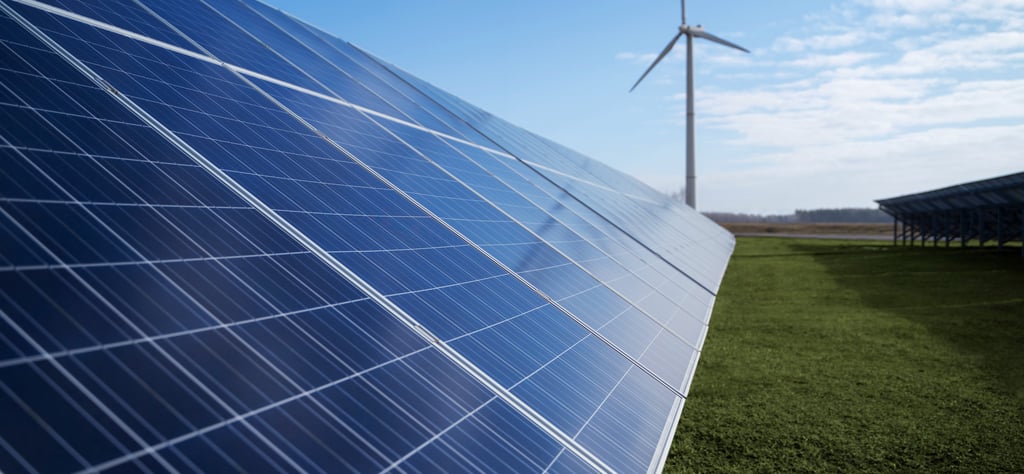
Solar Energy: A Sustainable Power Source
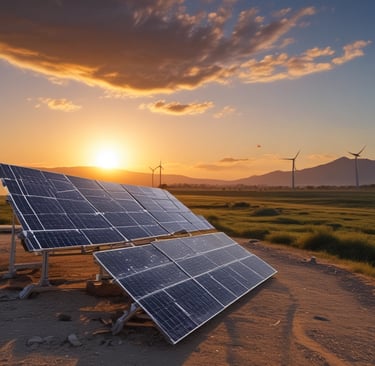
Solar energy stands as one of the most popular and rapidly growing renewable energy sources worldwide. This readily available, sustainable, and environmentally friendly power alternative offers significant advantages over non-renewable options like coal and oil, which harm the environment and contribute to climate change.
This article explores how solar energy works—from scientific principles to practical applications—while highlighting its benefits and addressing common questions.
Table of Contents
The Science of Solar Energy
Components of a Solar Panel System
Electricity Generation Process
Energy Storage and Distribution
Key Benefits
Frequently Asked Questions
The Science of Solar Energy
• Sun produces energy through nuclear fusion
• Releases energy as heat and light
• Most abundant energy source on Earth
• Captured and converted through solar panels
Components of a Solar Panel System
• Solar Panels: Photovoltaic cells that convert sunlight to electricity
• Inverter: Transforms DC electricity to usable AC electricity
• Batteries (optional): Store excess electricity for later use
• Charge Controller (optional): Regulates electricity flow to batteries
Electricity Generation Process
• Photovoltaic cells contain silicon layers
• Sunlight photons knock electrons loose from silicon atoms
• Creates electrical flow (DC current)
• Inverter converts DC to AC for household use
Energy Storage and Distribution
• Excess electricity stored in batteries
• Stored power used during low production periods
• Surplus electricity can be sold back to the grid
• Enables 24-hour energy availability
Key Benefits
• Renewable: Never-ending energy source
• Environmentally Friendly: Zero harmful emissions
• Cost-effective: Minimal maintenance after installation
• Energy Independence: Reduced reliance on external power sources
Frequently Asked Questions
How much sunlight do solar panels need?
Solar panels generate electricity in any sunlight conditions but perform optimally in direct sunlight. They continue producing energy even on cloudy days.
Can solar panels work at night?
No, but daytime excess energy stored in batteries can power homes at night.
How long do solar panels last?
Typically 25+ years, with many manufacturers offering 25-year warranties.
Can solar panels be installed on any roof?
Most roofs can support solar panels, though factors like orientation, shade, and structural integrity affect performance.
What does installation cost?
Costs vary by system size and complexity, but long-term electricity savings typically offset initial investment.

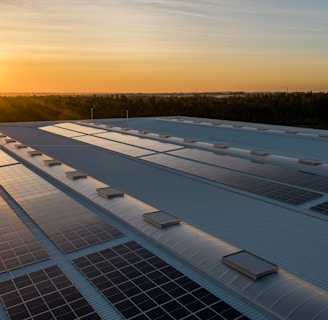
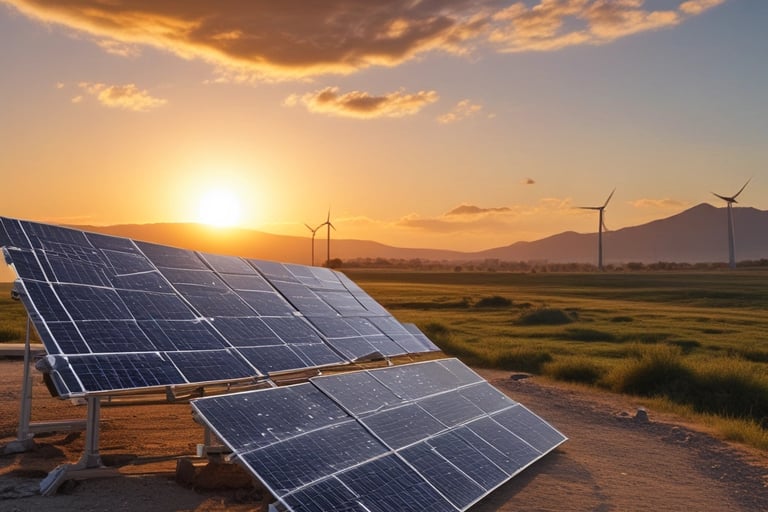
Quality solar products for every need.
QUICK Links
agrimtechtrade@gmail.com
© AGRIM TECHTRADES PVT. LTD. All rights reserved.


Agrim Techtrades Pvt. Ltd.
Office Address - A-193, Sector 83, Sector 83, Noida, Uttar Pradesh 201304